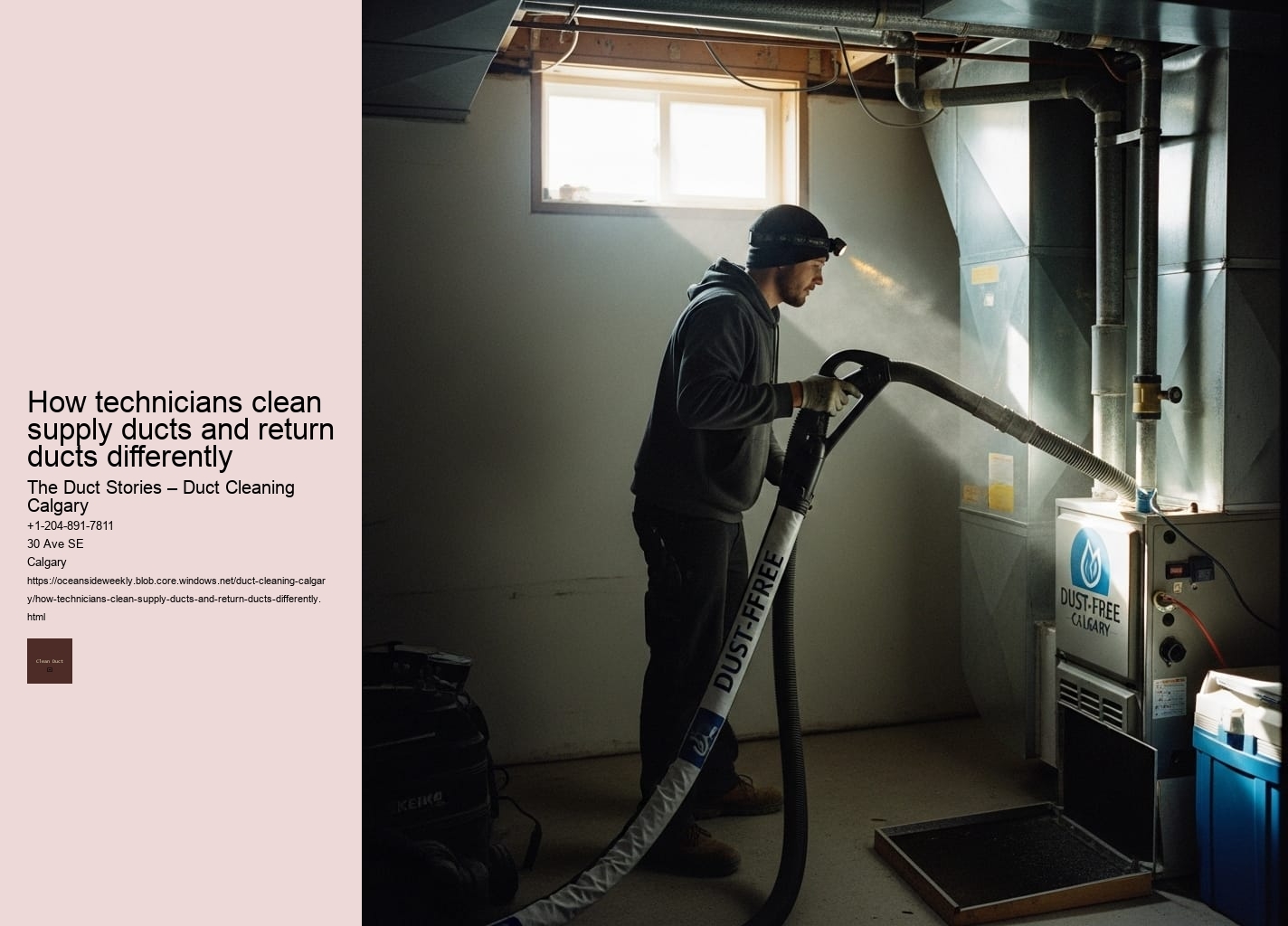
HVAC systems are the unsung heroes of indoor comfort, quietly circulating air to maintain consistent temperatures. To understand why supply and return ducts require different cleaning approaches, it's crucial to grasp their distinct roles.
At its core, an HVAC system comprises several key components: the air handler (containing the blower fan), the heating and cooling elements (furnace or evaporator coil), and the ductwork. When indoor air feels heavy or stale, When contact agitation is used and when it is not that meet NADCA standards and deliver measurable results.. When regular vacuuming no longer does the trick, air duct cleaning Calgary helps reduce respiratory issues by clearing out dust, debris, and mold.. This network of ducts acts as the circulatory system of your building's air, with supply ducts delivering conditioned air (heated or cooled) from the air handler to various rooms. Return ducts, on the other hand, draw air back from these rooms to the air handler for reconditioning.
Key Differences in Duct Function:The fundamental difference lies in the type of air each duct handles. Supply ducts transport clean, treated air, while return ducts carry air that has circulated through the building, accumulating dust, allergens, and other contaminants along the way. This means return ducts generally harbor a higher concentration of pollutants than supply ducts. This difference in air quality dictates the need for distinct cleaning strategies. Supply ducts may only require light cleaning to remove any accumulated dust, whereas return ducts often need more thorough cleaning and sanitization to eliminate the higher concentration of contaminants. Understanding this distinction is the first step in ensuring a healthy and efficient HVAC system.
Supply ducts are the conduits that deliver conditioned air – whether heated or cooled – from your HVAC system to the various rooms and spaces within a building. Their primary function is to ensure consistent temperature and airflow, contributing significantly to indoor comfort and air quality. Because of this crucial role, supply ducts are constantly exposed to a stream of air, and with it, a variety of contaminants.
The types of contaminants found in supply ducts can vary depending on several factors, including the building's age, location, and the efficiency of its air filtration system. Common culprits include dust, pollen, and pet dander, which are drawn into the system from the outside or generated within the building. Over time, these particles accumulate on the interior surfaces of the ducts, creating a breeding ground for mold, bacteria, and other microorganisms, especially in humid environments.
Key Contaminants:
Furthermore, construction debris, such as drywall dust and wood shavings, can find its way into the supply ducts during initial construction or renovation projects. These larger particles can obstruct airflow and further contribute to the buildup of finer contaminants. In commercial buildings, supply ducts may also accumulate dust from manufacturing processes, fibers from textiles, or other industry-specific pollutants. The constant flow of air through these contaminated ducts then circulates these pollutants throughout the building, potentially impacting the health and well-being of its occupants.
Power brushing is a cornerstone of effective supply duct cleaning. This method employs specialized brushes, often rotating, that are inserted into the ducts to dislodge dust, debris, and other contaminants clinging to the duct walls. The brushes come in various shapes and sizes to accommodate different duct dimensions and materials, ensuring thorough cleaning without damaging the ductwork. Agitation caused by the rotating brushes loosens the stubborn buildup, preparing it for removal via a powerful vacuum system. Technicians carefully select the appropriate brush type and speed to maximize cleaning efficiency while protecting the integrity of the duct system.
Simultaneous with the brushing action, a high-efficiency particulate air (HEPA) filtered vacuum system is used to immediately extract the dislodged particles. This negative air pressure system prevents the contaminants from circulating throughout the building during the cleaning process. The vacuum hose is strategically positioned near the brush head to capture debris as it is loosened, ensuring minimal re-contamination of the ductwork or the indoor environment. The HEPA filter traps even the smallest particles, including allergens and mold spores, contributing to improved indoor air quality after the cleaning is complete. Proper vacuum collection is critical for preventing secondary contamination.
Air whips offer a flexible approach to cleaning supply ducts, especially in residential settings with more bends and constrictions. These devices use compressed air to propel flexible nylon whips through the ductwork, dislodging dust and debris from the duct walls. The whipping action is effective at reaching tight corners and navigating complex duct layouts where brushes might struggle to maneuver. Air whips are particularly useful for removing fine particles and dust that may not be easily dislodged by brushing alone. Technicians carefully control the air pressure to avoid damaging the ductwork while maximizing the cleaning impact.
After the physical cleaning process, a sanitizing treatment is often applied to eliminate any remaining bacteria, mold, or other microorganisms within the supply ducts. This involves fogging or spraying a safe and effective antimicrobial solution throughout the duct system. The sanitizing agent helps to prevent the regrowth of harmful organisms, contributing to long-term improvements in indoor air quality. Technicians ensure that the chosen sanitizing product is EPA-approved and safe for occupants, and they follow proper application procedures to achieve optimal results. Sanitization adds an extra layer of protection.
Finally, all access points created during the cleaning process, such as inspection holes or removed vent covers, are meticulously sealed to prevent air leakage and maintain the efficiency of the HVAC system. Proper sealing ensures that the conditioned air is delivered effectively to the intended spaces, reducing energy waste and maintaining consistent temperatures throughout the building. Technicians use appropriate sealing materials, such as foil tape or mastic, to create airtight closures. Addressing these access points is crucial for preventing future contamination and maintaining the integrity of the duct system.
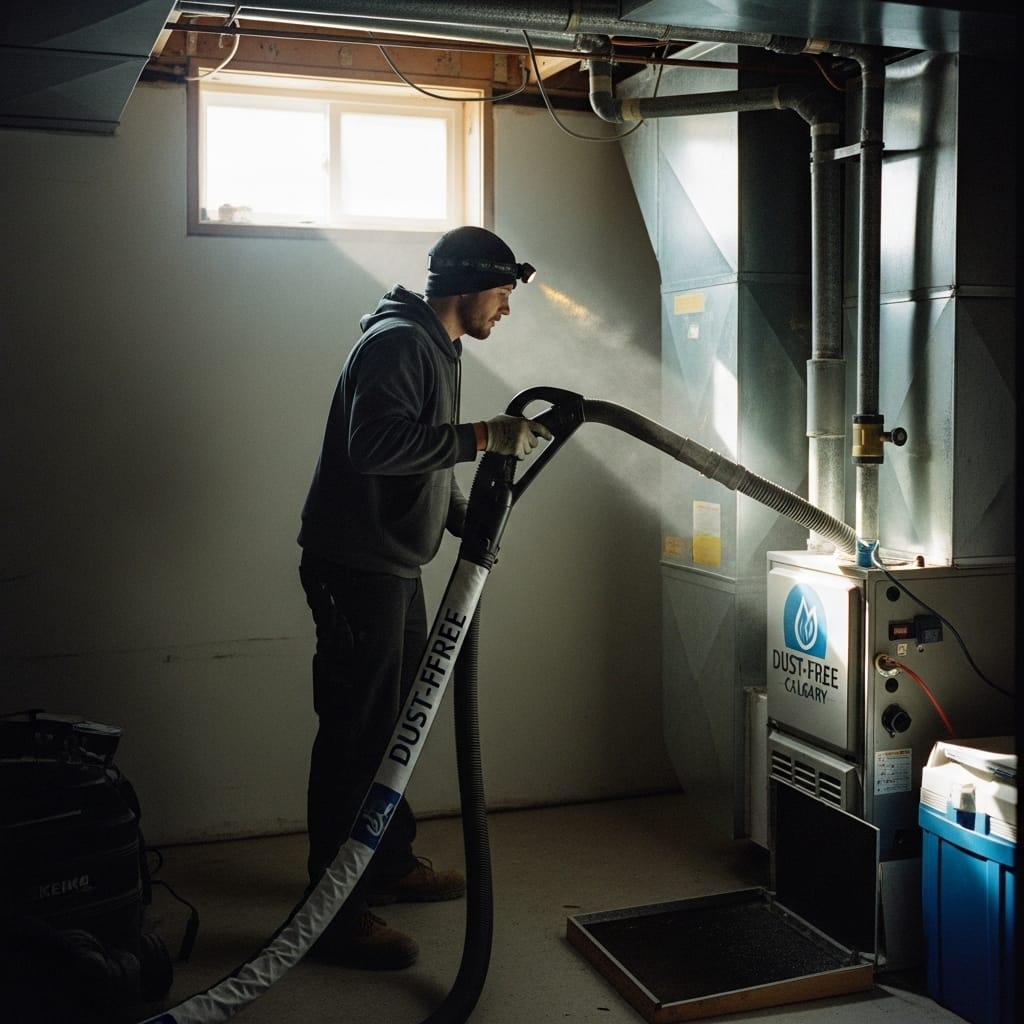
Return ducts play a vital role in your HVAC system, acting as the intake pathway for air that's been circulated throughout your building. Unlike supply ducts that deliver conditioned air, return ducts pull air back to the HVAC unit for reconditioning. This fundamental difference in function leads to a significant difference in the types of pollutants they accumulate.
Finally, return ducts can also harbor volatile organic compounds (VOCs) emitted from cleaning products, furniture, and office equipment. These chemicals can contribute to poor indoor air quality and potentially impact employee health and productivity. Because of the unique nature of return duct pollutants, technicians often employ specialized cleaning methods, such as source removal techniques and HEPA-filtered vacuums, to ensure thorough and effective cleaning.
Return ducts are magnets for a diverse range of contaminants. Dust, dirt, and debris are common culprits, drawn in from every corner of the building. Think of it as the collection point for everything floating in the air - skin cells, hair, carpet fibers, and even remnants of office supplies.
Furthermore, return ducts often collect more concentrated amounts of allergens compared to supply ducts. Pollen, mold spores, and pet dander are readily sucked into the return vents, potentially exacerbating allergy symptoms for employees.
Return ducts, responsible for channeling air back to the HVAC unit, often accumulate a unique composition of debris compared to supply ducts. This difference necessitates specialized cleaning approaches. While supply ducts primarily deal with dust and particulate matter carried through the ventilation system, return ducts contend with a wider range of pollutants drawn from the occupied space. These can include carpet fibers, pet dander, human hair, and even mold spores originating from various sources within the building.
Given this diverse accumulation, a more thorough and targeted cleaning strategy is crucial for return ducts. Technicians typically employ methods like rotary brushes with specialized attachments designed to effectively dislodge and capture the varied debris. Furthermore, source removal techniques become particularly important. This may involve identifying and addressing the root causes of excessive pollutant entry into the return air stream, such as leaky ductwork or inadequate filtration at return grilles.
Another key consideration is the potential presence of allergens and irritants within return ducts. Technicians often utilize HEPA-filtered vacuum systems to ensure that these contaminants are captured and removed without being reintroduced into the indoor environment. In some cases, antimicrobial treatments may be applied to sanitize the ductwork and prevent future microbial growth. The careful selection of cleaning tools and techniques, combined with a focus on source removal, ensures that return ducts are thoroughly cleaned and contribute to improved indoor air quality.
The tools and equipment employed for cleaning supply and return ducts often differ due to the distinct functions and typical conditions within each system. Supply ducts, responsible for delivering conditioned air, generally require tools focused on dislodging and removing accumulated dust, allergens, and occasional debris. Technicians frequently use specialized brushes, often with rotating or vibrating heads, attached to flexible rods or cables. These brushes effectively scrub the interior surfaces of the ducts, loosening contaminants for subsequent removal. Air whips, which use compressed air to agitate and dislodge particles, are also common in supply duct cleaning.
Return ducts, on the other hand, tend to accumulate larger debris, such as hair, dust bunnies, and even small objects that may have fallen into the registers. Therefore, return duct cleaning often necessitates more robust tools for extraction.
Key Differences in Cleaning Approaches:
Powerful vacuums equipped with HEPA filters are essential to capture the dislodged debris and prevent recirculation of pollutants. Technicians may also employ specialized tools like duct crawlers, which are remote-controlled devices with cameras and brushes, allowing for thorough inspection and cleaning of hard-to-reach areas within the return duct system. Furthermore, air duct cleaning companies often use different types of nozzles and attachments on their vacuum hoses to effectively navigate the varying sizes and shapes of both supply and return ducts, ensuring comprehensive cleaning throughout the entire HVAC system.
Cleaning air ducts, whether supply or return, demands strict adherence to safety protocols and awareness of potential health hazards. Technicians must prioritize personal protective equipment (PPE), including respirators (N95 or higher), gloves, and eye protection. Respirators are crucial to prevent inhalation of dust, mold spores, and other contaminants dislodged during the cleaning process.
Before commencing any work, a thorough assessment of the ductwork is essential. This includes identifying potential asbestos-containing materials, which require specialized handling and remediation. The work area should be properly contained to prevent the spread of dust and debris to other parts of the building. Negative air pressure machines are often employed to create a controlled environment and exhaust contaminants outdoors.
During the cleaning process, technicians must be mindful of the chemicals used. Only EPA-registered sanitizers and disinfectants should be applied, and manufacturers' instructions regarding dilution and application time must be strictly followed. Adequate ventilation is crucial to prevent the buildup of chemical fumes.
Post-cleaning, a visual inspection is necessary to ensure all debris has been removed. Air quality testing may be conducted to verify the effectiveness of the cleaning and confirm the absence of harmful contaminants. Proper disposal of collected debris and used PPE is also essential to prevent secondary contamination. Ignoring these safety and health considerations can lead to respiratory problems, allergic reactions, and the spread of harmful substances within the building.
After the meticulous cleaning process, a thorough inspection is crucial to guarantee the effectiveness of the service. Technicians must visually inspect the interior surfaces of both supply and return ducts, using tools like inspection mirrors and cameras to reach difficult areas. This step ensures that all dislodged debris has been successfully removed and that no contaminants remain.
Verification extends beyond visual checks. Airflow testing can confirm that the ducts are now operating at their optimal capacity, free from obstructions that previously hindered performance. For return ducts, which often accumulate a heavier buildup of dust and allergens, this verification is particularly important. Technicians should also verify the cleanliness of components like grills, registers, and diffusers, as these can easily re-contaminate the system if not properly addressed.
Key Verification Steps:
Documenting the post-cleaning condition with photos or videos provides valuable evidence of the service's success and serves as a record for future maintenance. Any deficiencies identified during the inspection should be promptly addressed to ensure complete customer satisfaction and the long-term health of the HVAC system. This commitment to thorough inspection and verification underscores the value of professional duct cleaning services.
Dust is made from fine bits of solid issue. In the world, it usually consists of fragments in the atmosphere that originate from various sources such as soil lifted by wind (an aeolian procedure), volcanic eruptions, and pollution. Dirt in homes is composed of around 20–-- 50% dead skin cells. The remainder, and in offices and various other developed settings, is made up of percentages of plant pollen, human hairs, pet hair, fabric fibers, paper fibers, minerals from outside soil, scorched meteorite bits, and many various other materials which might be found in the local setting.
.Words air duct is derived from the Latin word for led/leading. It may refer to: Duct (makeup), various air ducts in composition and physiology Tear air duct, which bring splits to the eyes Duct (HEATING AND COOLING), for transfer of air in between spaces in a framework Air duct tape, a sort of adhesive tape Ducted fan, motor for aircraft Electrical bus duct, a steel unit for busbars Duct (industrial exhaust), industrial exhaust air duct system designed for low pressure-pneumatic convey of gas, fumes, cleans, shavings, and other pollutants from jobs room to environment after cleaning and removal of pollutants Atmospheric duct, a straight layer in the lower atmosphere in which the vertical refractive index gradients are such that radio signals (a) are led or ducted, (b) often tend to comply with the curvature of the Planet, and (c) experience much less depletion in the air ducts than they would certainly if the air ducts were not present Tropospheric ducting, a type of radio propagation in the atmosphere that permits signals to take a trip unusually long distances Planet–-- ionosphere waveguide, a type of climatic air duct Surface area duct, an audio propagation sensation mixed-up Duct Posting, an imprint of the German group VDM Publishing committed to the reproduction of Wikipedia material Dispatchable Device Control Table (DUCT) in z/Architecture Versatile Ducting
.Calgary () is the largest city in the Canadian district of Alberta. As of 2021, the city appropriate had a populace of 1,306,784 and a city population of 1,481,806, making Calgary the third-largest city and fifth-largest city in Canada. Calgary is at the confluence of the Bow River and the Joint River in the southwestern section of Alberta, in the transitional location in between the Rocky Hill Foothills and the Canadian Pastures, concerning 80 km (50 mi) east of the front ranges of the Canadian Rockies, roughly 299 km (186 mi) south of the rural funding, Edmonton, and roughly 240 km (150 mi) north of the Canada–-- United States boundary. The city anchors the south end of the Data Canada-defined urban location, the Calgary–-- Edmonton Corridor. Calgary's economic situation consists of activity in numerous industries: power; monetary solutions; film and tv; transport and logistics; technology; production; aerospace; health and health; retail; and tourism. The Calgary Metropolitan Region is home to Canada's second-largest variety of corporate head offices amongst the country's 800 largest corporations. In 2015, Calgary had the largest number of millionaires per capita of any kind of major Canadian city. In 2022, Calgary was ranked alongside Zürich as the 3rd most habitable city worldwide, placing first in Canada and in The United States And Canada. In 1988, it came to be the initial Canadian city to host the Olympic Winter seasons Gamings.
.